


About the Statistical Risk Assessment
Every year the Early Warning Project publishes an updated Statistical Risk Assessment: a list of more than 160 countries ranked by their likelihood to experience a new episode of mass killing. This Statistical Risk Assessment draws on cutting-edge forecasting methodology to identify countries at risk for onset of mass killing. The assessment is designed to help governments, civil society groups, and other influential actors prioritize an effective response.
We see the statistical results not as a conclusion, but as a starting point for discussion and further analysis of opportunities for preventive action.
Photo above: A look inside Za’atri refugee camp near Mafraq, Jordan. The camp has been host to tens of thousands of Syrians displaced by conflict. December 2012. UN Photo/Mark Garten.
Latest Reports
Countries at Risk for Intrastate Mass Killing 2025–26: Early Warning Project Statistical Risk Assessment Results
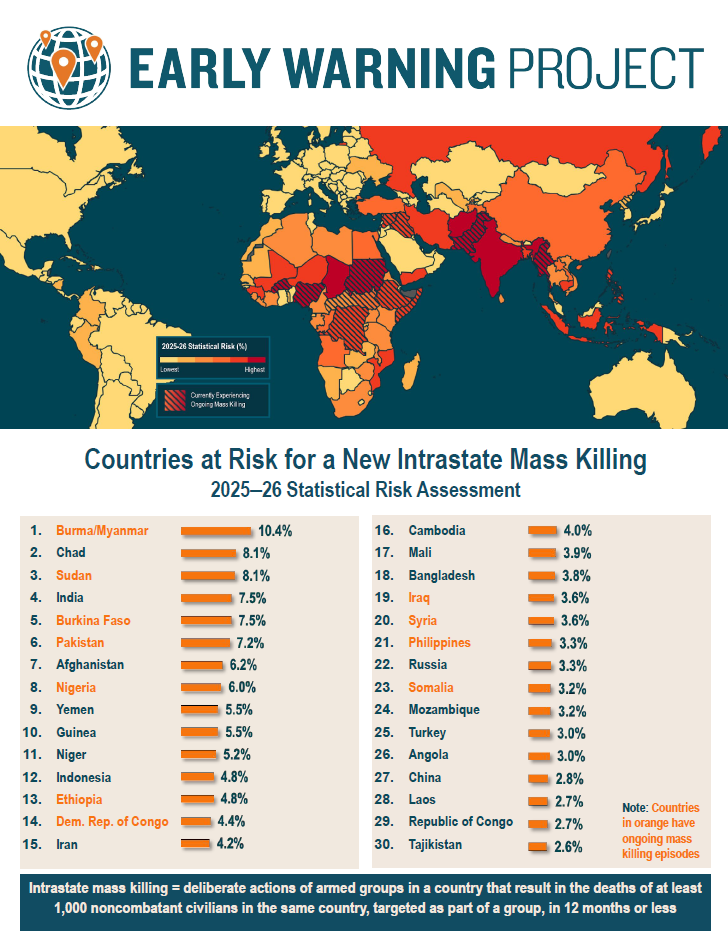
Summary Handout | Countries at Risk for Intrastate Mass Killing 2025–26: Early Warning Project Statistical Risk Assessment Results
-
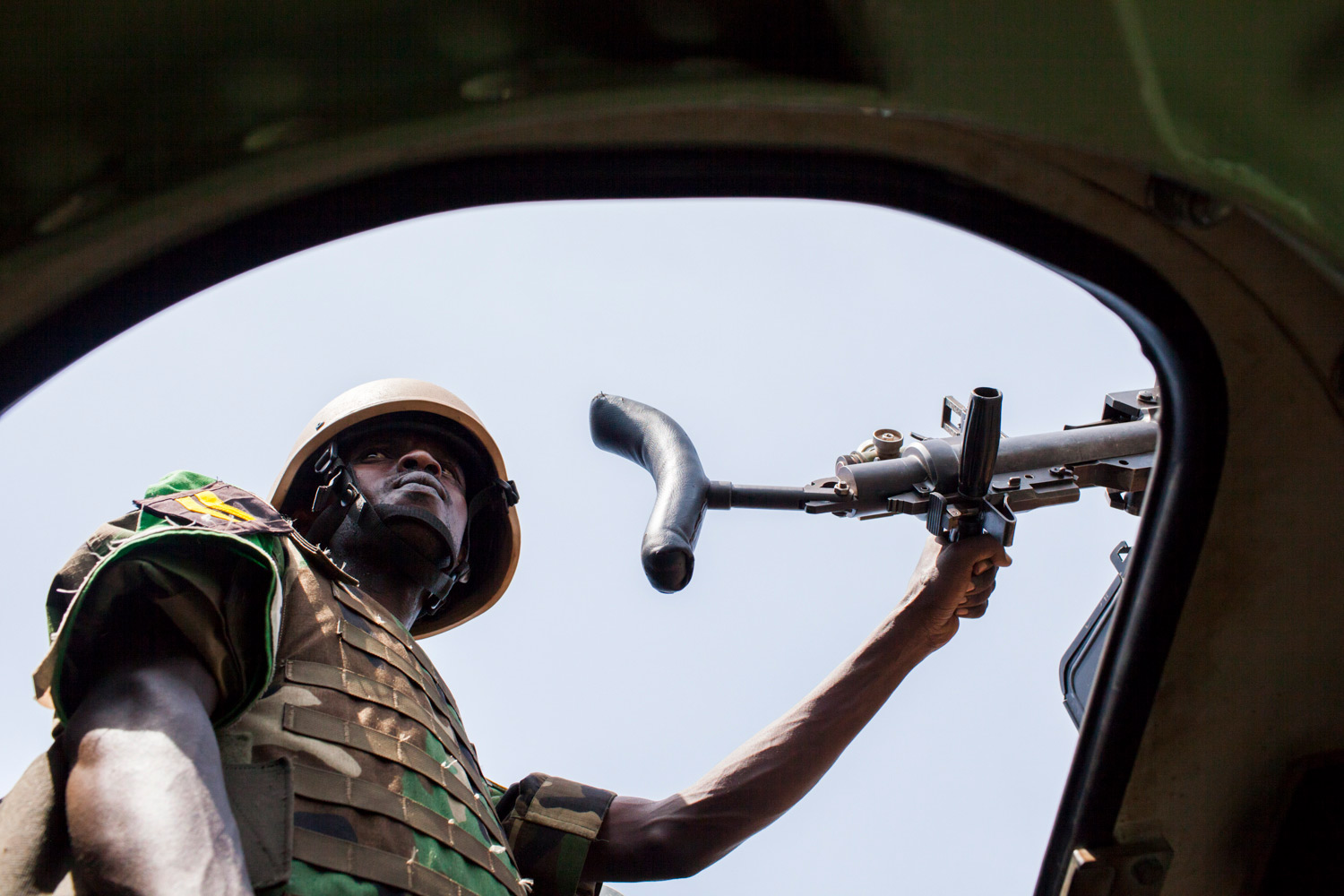
Ranking of All Countries
View a table showing all countries, in descending order, by estimated risk for onset of intrastate mass killing in 2025-26. We consider countries ranked in the top 30 to be at high risk.
-
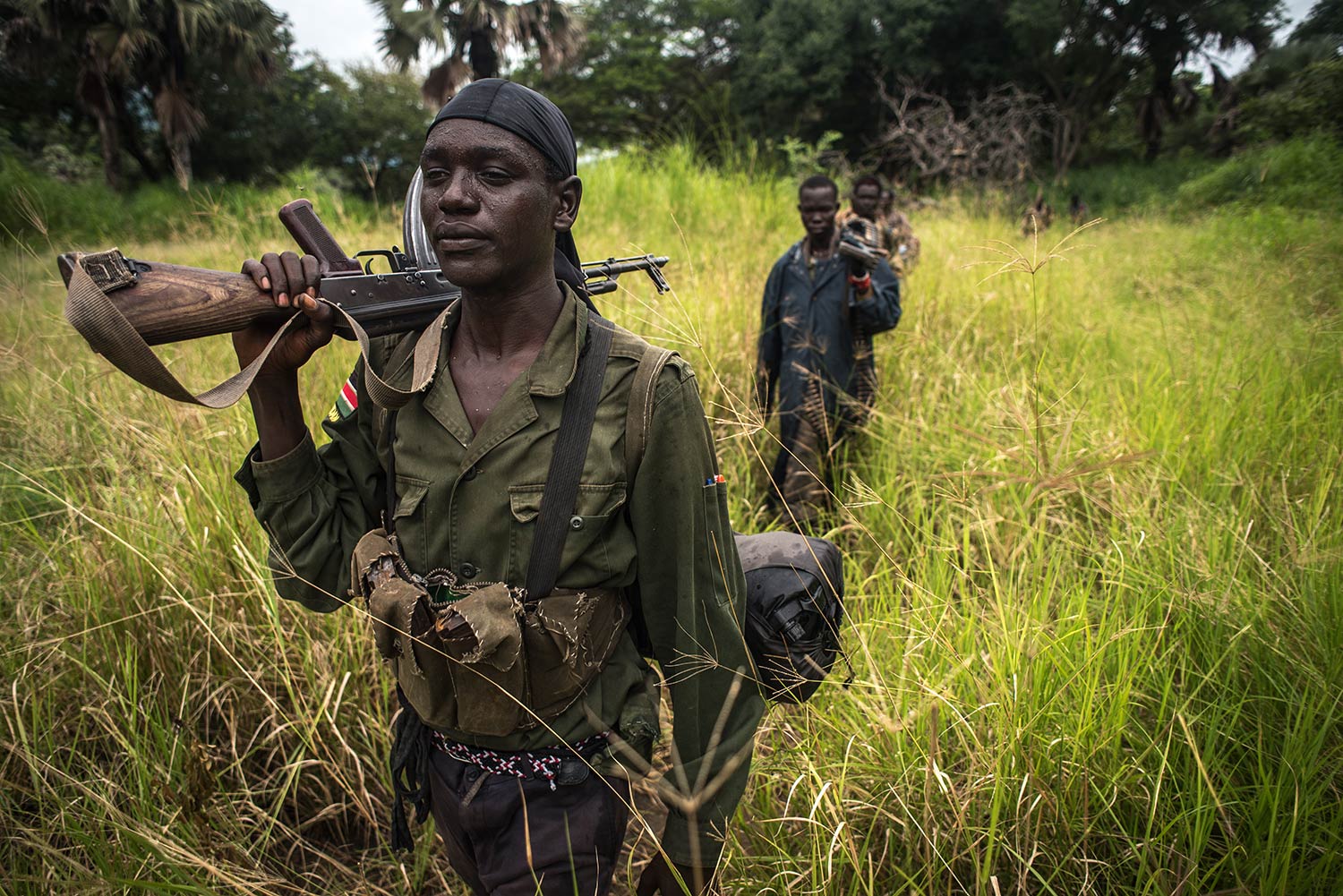
High-Risk Countries
Learn about selected high-risk countries in three categories: the highest-risk countries, countries whose risk has increased significantly since the last assessment, and countries that have been consistently high-risk over time.
-
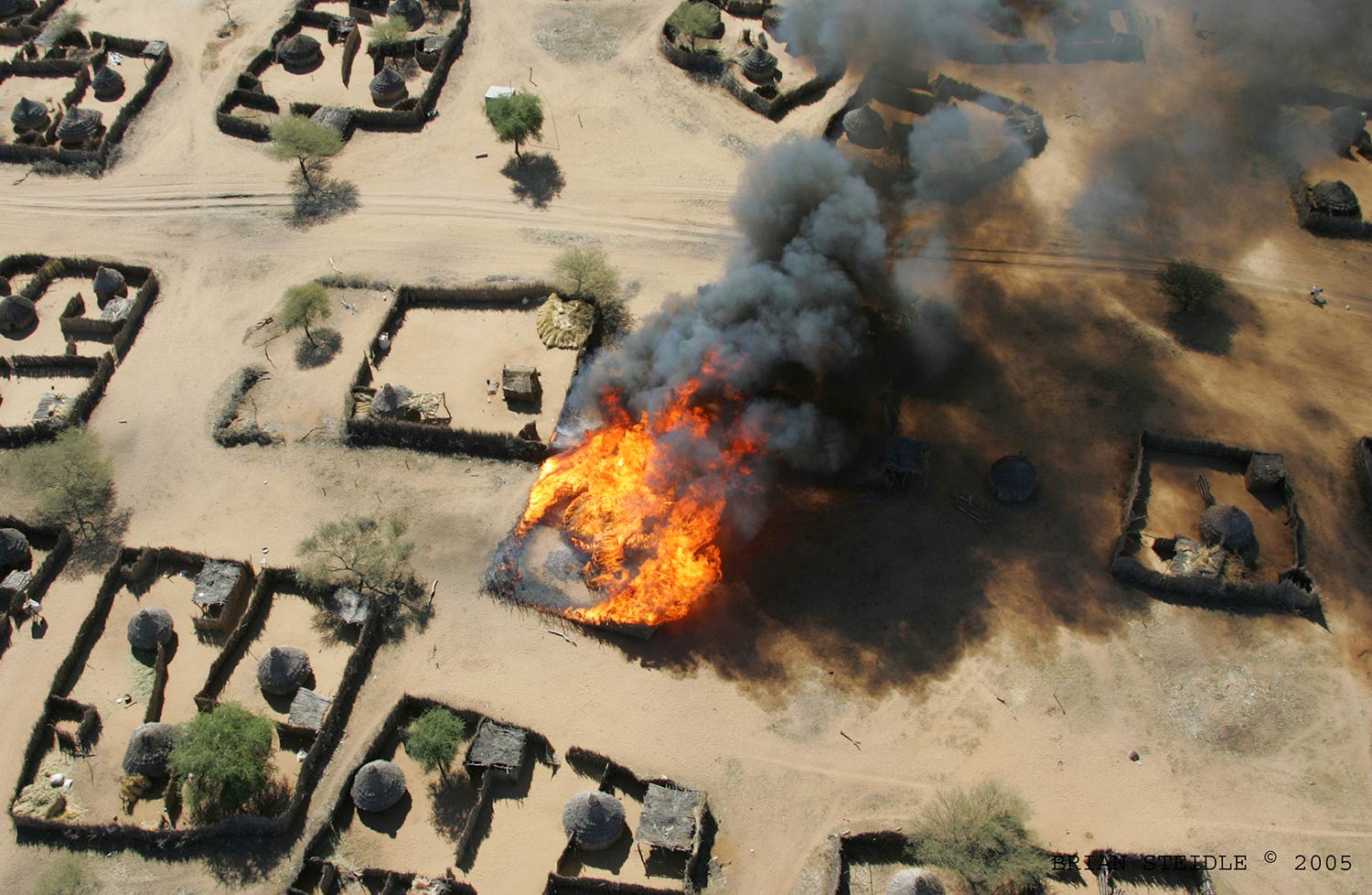
Ongoing Mass Killing
In this annual report, we identify and discuss countries that experienced a new onset of state- or nonstate-led mass killing in the previous year, as well as cases that we determine to have ended.
Interactives, Reports, and Downloads
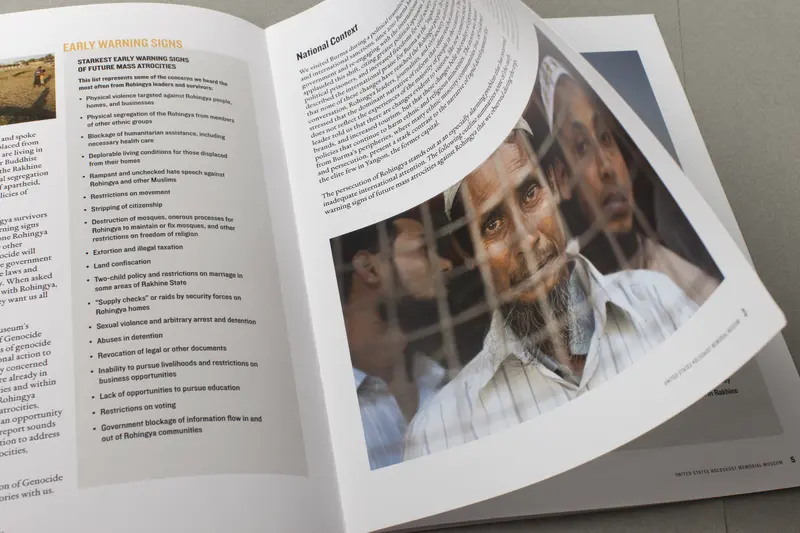
Methodology

The following pages detail how we develop the Statistical Risk Assessment, and how to use and understand the data.